Synthetic Biology and the Future of Medicine
How designing life at the molecular level is reshaping healthcare and biotechnology.
The Rise of Synthetic Biology
Synthetic biology is one of the most transformative branches of modern biotechnology, aiming not only to understand life but to redesign it. Unlike traditional genetic engineering, which modifies existing organisms, synthetic biology builds biological systems from standardized parts. Scientists create new genetic circuits, reprogram microbes, and even design synthetic cells that carry out specific tasks. In medicine, this field promises breakthroughs ranging from smart therapeutics that detect and treat disease inside the body to bioengineered tissues that function like natural organs. By combining biology with principles of engineering and computation, synthetic biology is rewriting what it means to innovate in healthcare.
Microbes as Living Factories
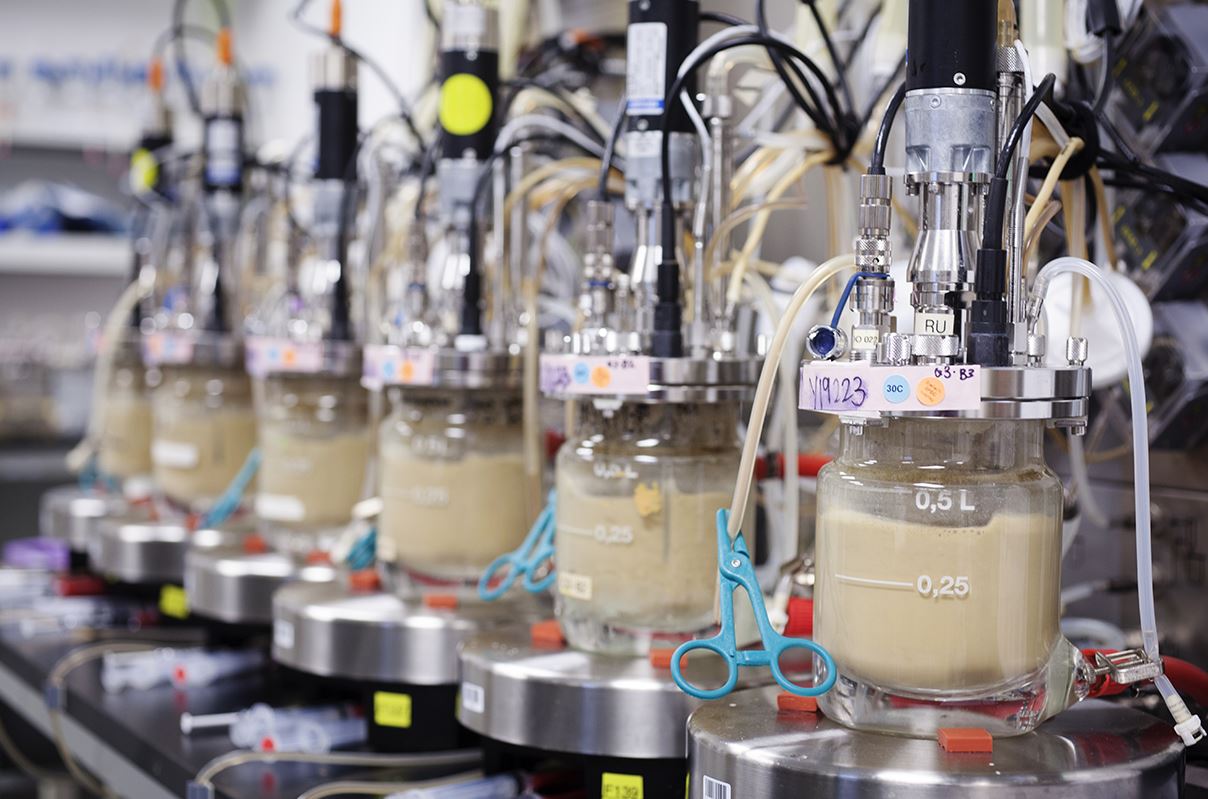
One of the earliest applications of synthetic biology has been the transformation of microbes into living factories. Engineered bacteria and yeast can now produce drugs, vaccines, and therapeutic proteins more efficiently than traditional chemical synthesis. For example, the malaria drug artemisinin, once dependent on plant extraction, can now be produced by engineered yeast at scale. Microbial systems are also being developed to manufacture complex biologics such as insulin, monoclonal antibodies, and novel antibiotics. This microbial production reduces costs, increases accessibility, and allows rapid response to emerging health crises. Beyond drugs, synthetic organisms are being designed to secrete vitamins, nutrients, and metabolites that could one day reshape global nutrition and preventative healthcare.
Gene Circuits as Medical Devices
Synthetic biology allows scientists to build genetic circuits that function like programmable devices inside cells. These circuits can sense specific biological signals, process information, and trigger targeted responses. For instance, engineered immune cells equipped with gene circuits can detect tumor markers and release cancer-killing molecules only in the presence of cancer cells. Other circuits are being developed to sense inflammation or metabolic imbalance and deliver corrective therapies in real time. Unlike traditional drugs, which are administered externally and broadly, these cellular devices operate with precision from within, offering personalized treatment strategies. The concept of living therapeutics, where cells themselves act as medicines, is a hallmark of synthetic biology’s potential.
Bioengineered Organs and Tissues
Synthetic biology is also advancing the field of tissue engineering by providing tools to construct more complex and functional organs. By integrating engineered cells with biomaterial scaffolds, researchers are building tissues that mimic the properties of natural organs such as skin, liver, and cartilage. Synthetic gene networks can control how these cells grow, differentiate, and interact with one another, allowing greater precision in tissue design. In the long term, fully bioengineered organs tailored to individual patients could solve the shortage of donor organs and reduce the risk of rejection. Even before reaching this goal, bioengineered tissues are already being used as models for drug testing, disease research, and toxicology studies, reducing dependence on animal experiments and accelerating clinical discoveries.
Synthetic Vaccines and Pandemic Response
The COVID-19 pandemic highlighted the critical role of biotechnology in global health, particularly the rapid development of mRNA vaccines. Synthetic biology takes this further by enabling modular vaccine platforms that can be rapidly adapted to new pathogens. By designing genetic sequences in silico and producing them in engineered cells, vaccines can be prototyped and scaled in record time. This capacity is not limited to viruses but extends to bacteria and even cancer, where personalized vaccines are designed to train the immune system against patient-specific tumor markers. Synthetic biology is thus reshaping how the world responds to pandemics, shifting from reactive measures to proactive platforms that anticipate emerging threats.
Challenges and Ethical Frontiers
As with all powerful technologies, synthetic biology raises significant challenges and ethical considerations. Ensuring safety is paramount, as engineered organisms released into the body or environment must be contained and controlled. Regulatory frameworks struggle to keep pace with the speed of innovation, and policies must balance encouraging progress with protecting public health. There are also concerns about dual use, where the same tools that create therapies could be misused to design harmful pathogens. Ethical debates extend to ownership of synthetic organisms, equitable access to therapies, and the role of humans in designing life itself. Addressing these issues requires collaboration among scientists, policymakers, ethicists, and the public.
Integration with Digital and AI Technologies
Synthetic biology does not advance in isolation but in synergy with other technologies. Artificial intelligence and machine learning are increasingly used to design genetic circuits, predict protein folding, and optimize metabolic pathways in microbes. Computational tools reduce the time and cost of trial-and-error experiments, allowing simulations to guide laboratory work. Meanwhile, advances in automation and robotics are accelerating high-throughput experiments, creating a pipeline where biological design, testing, and refinement can occur rapidly. The integration of digital technology ensures that synthetic biology evolves as both a scientific discipline and an engineering enterprise, blending wet labs with computational platforms.
The Future of Synthetic Medicine
Looking ahead, synthetic biology is poised to become a cornerstone of healthcare innovation. In the near future, patients may receive living therapeutics that continuously monitor their health, synthetic organs that replace failing ones, and vaccines designed within days of a new outbreak. These advances could extend healthy lifespans, reduce global health disparities, and transform how medicine is delivered. Yet the success of this future depends on ensuring safety, accessibility, and ethical responsibility. Synthetic biology is not just about designing life but about designing health systems that are more resilient, responsive, and equitable. As the field matures, it promises to redefine medicine not as a reactive practice but as a proactive, dynamic partnership between biology and technology.